TARGETED AMERICA
  • Home
    • Vision, Mission and Values
    • Targeted America Overview
    • Our Team
    • Advisers
    • Volunteers
    • Contact Us
    • Disclaimers
  • CointelPro 2022
  • Christiana v. Lighthouse
  • Newsletter
  • In the News
  • Legal
    • Targeted Cases
    • Ways to Afford a Lawsuit
    • How to Represent Yourself >
      • Introduction >
        • Should You Sue?
        • Statute of Limitations
        • What to Expect and When
      • The Pleadings >
        • Causes of Action
        • Private Nuisance
    • FOIA Requests
    • Federal Laws >
      • The Constitution
      • Constitutional Case Law
      • Treaties
      • United States Codes
      • Administrative Law
      • Executive Orders
      • Human Rights and Experimentation
    • State Laws >
      • Constitutional Case Law
      • State Codes >
        • Human Experimentation
        • State Civil Codes
    • Class Action Versus Mass Tort and Local Lawsuits
    • Common Law Torts
  • Targeted Evidence
  • Medical
  • Call To Action
  • Public Awareness
  • Events
  • Organizations and Research Resources
  • Glossary
  • Site Map
  • spare CointelPro 2022

FEDERAL LAWS

Federal Law and The Hierarchy of Authority

The United States Constitution is the supreme law of the land. All federal law must conform with the Constitution.
​

There are four types of federal law. These four types are called "primary law." In hierarchical order of authority (highest to lowest authority) they are:
  • ​The Constitution
  • Constitutional Case Law
  • Treaties
  • United States Codes​
  • Administrative Law
  • Executive Orders

The hierarchy of authority is important because it enables plaintiffs to challenge United States Codes (legislation passed by Congress) and Administrative Law (law written by unelected bureaucrats) as unconstitutional.
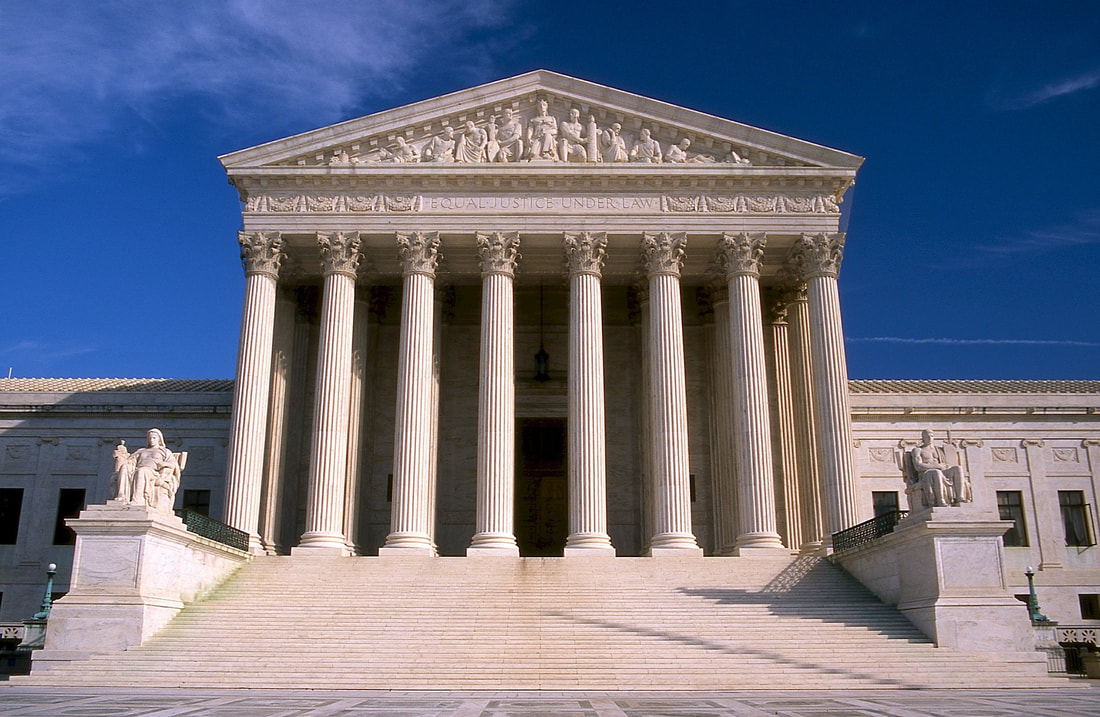
Picture

Federal Law vs State Law

Article VI of the Constitution contains the Supremacy Clause, which dictates that federal law is higher than state law. State judges must follow the U.S. Constitution, laws, and treaties of the federal government in matters which are directly or indirectly within the government's control.

Under the doctrine of preemption, which is based on the Supremacy Clause, federal law preempts state law, even when the laws conflict. Thus, a federal court may require a state to stop certain behavior it believes interferes with, or is in conflict with, federal law.

Disclaimer: Targeted America is not a law firm. The information contained in this website is provided for informational purposes only and should not be construed as legal advice on any matter.

This website is best viewed on a computer or laptop.

  • Home
    • Vision, Mission and Values
    • Targeted America Overview
    • Our Team
    • Advisers
    • Volunteers
    • Contact Us
    • Disclaimers
  • CointelPro 2022
  • Christiana v. Lighthouse
  • Newsletter
  • In the News
  • Legal
    • Targeted Cases
    • Ways to Afford a Lawsuit
    • How to Represent Yourself >
      • Introduction >
        • Should You Sue?
        • Statute of Limitations
        • What to Expect and When
      • The Pleadings >
        • Causes of Action
        • Private Nuisance
    • FOIA Requests
    • Federal Laws >
      • The Constitution
      • Constitutional Case Law
      • Treaties
      • United States Codes
      • Administrative Law
      • Executive Orders
      • Human Rights and Experimentation
    • State Laws >
      • Constitutional Case Law
      • State Codes >
        • Human Experimentation
        • State Civil Codes
    • Class Action Versus Mass Tort and Local Lawsuits
    • Common Law Torts
  • Targeted Evidence
  • Medical
  • Call To Action
  • Public Awareness
  • Events
  • Organizations and Research Resources
  • Glossary
  • Site Map
  • spare CointelPro 2022